Blog
Wedding Guitar at Nonsuch Mansion: Planning the Music for Jackie and Sonny’s Ceremony
Posted on: 16 November 2013
Choosing a piece for a wedding entrance is one thing. Working out where four bridesmaids and the bride will enter in relation to the music is another—and it can be a lovely part of preparing for the ceremony.
For Jackie and Sonny’s wedding at Nonsuch Mansion on 16 November 2013, that was an important consideration. They wanted to hear their entrance music beforehand, giving them a chance to practise the walk and imagine how everything would come together.
Their emails capture something I often discuss with couples: the choice of song matters, but so do its pace, arrangement and the moment at which each person begins walking.
A wedding at Nonsuch Mansion
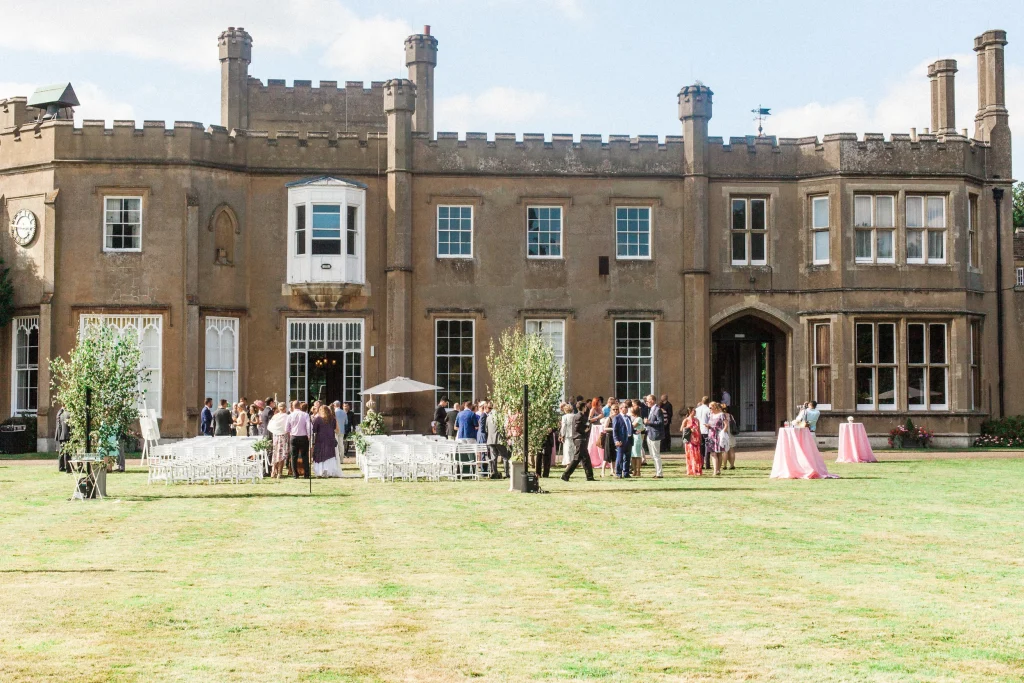
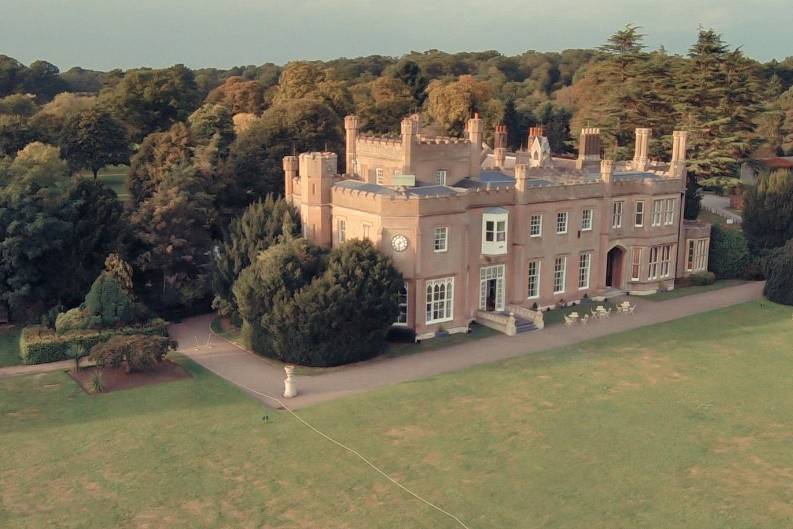
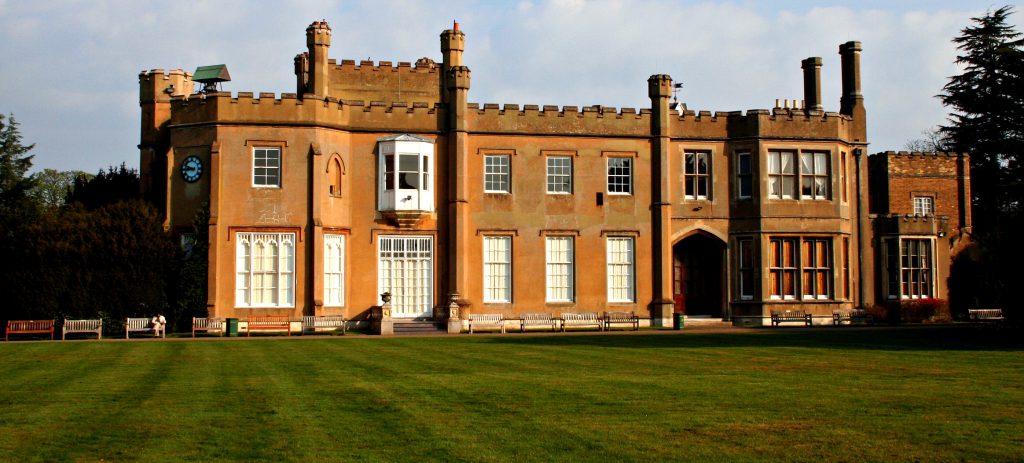
Set in Nonsuch Park in Cheam, Nonsuch Mansion was local to me at the time. When Sonny’s initial enquiry mentioned Cheam, I immediately asked whether that was where they were getting married.
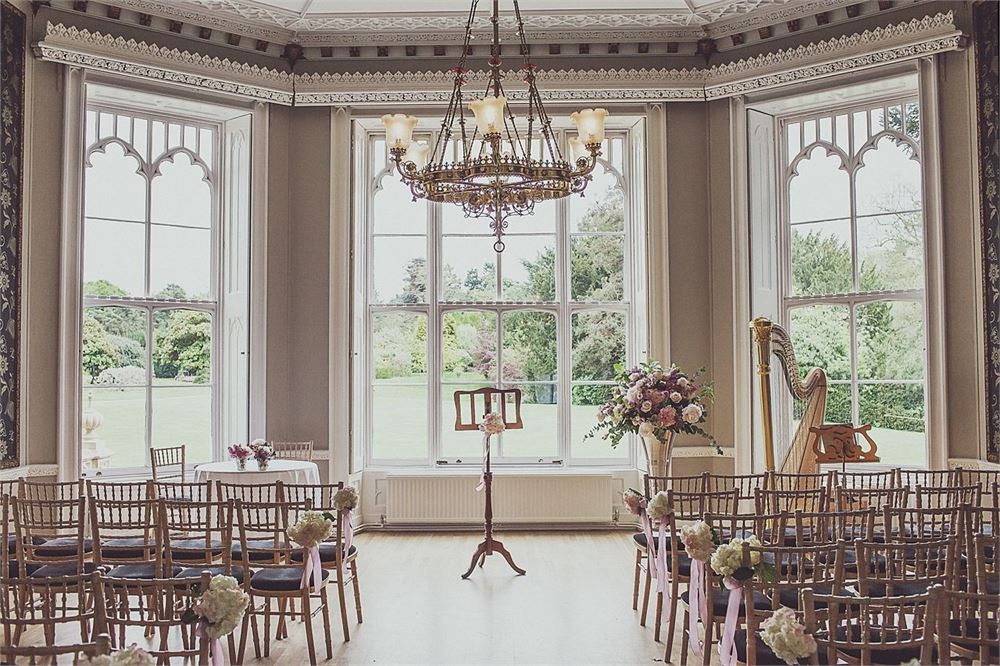
The house was remodelled and extended between 1802 and 1806 for Samuel Farmer by the architect Jeffry Wyatt, later known as Sir Jeffry Wyatville. Its Tudor Gothic design gives it a character of its own, with an architectural history now recognised by its Grade II* listing.
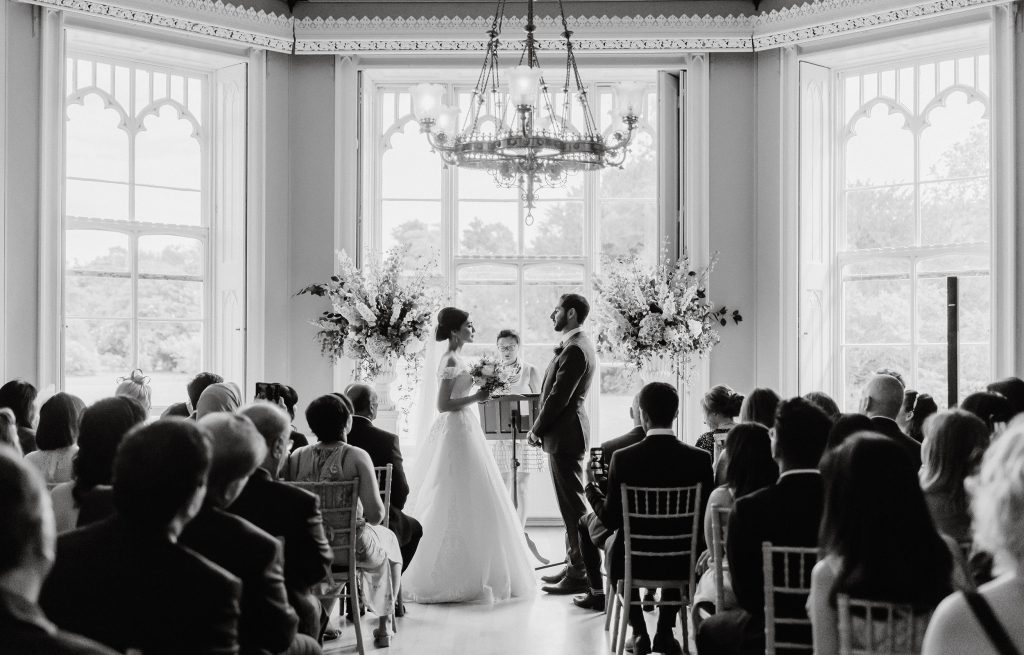
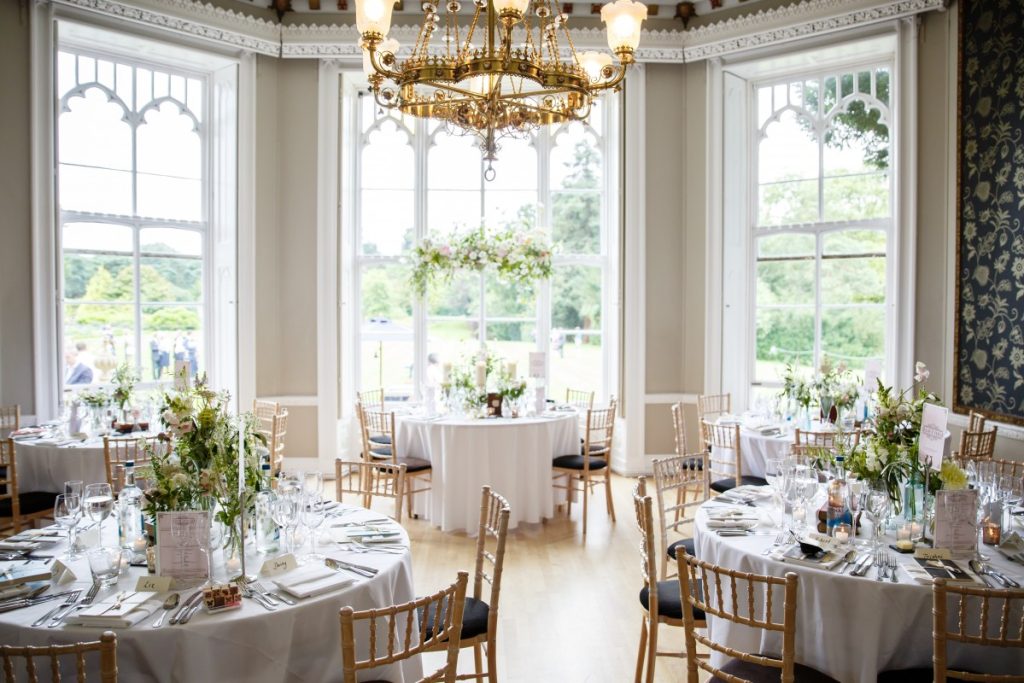
Jackie and Sonny planned to hold their ceremony, drinks reception and wedding breakfast there, bringing the different parts of the celebration together in one place. For the ceremony, they were putting considerable thought into a musical selection that combined classical pieces, familiar songs and a film theme with particular appeal.
A gentle entrance with the theme from Forrest Gump
Early in our correspondence, Sonny asked whether Feather Theme from Forrest Gump could be arranged for solo guitar. He was looking for a slower interpretation: something simple and romantic, with enough space for the entrance to unfold naturally.
After listening to it, I felt it would translate beautifully to guitar. Taking a piece written for another instrument and finding a way to make it speak on the guitar is a part of my work I particularly enjoy. The melody needs to feel natural, and the accompaniment needs to support it without making the arrangement too busy.
Pachelbel’s Canon in D was another early possibility for the entrance. Eventually, Jackie and Sonny found a place for both: they requested the Canon as the final piece before the procession, followed by Feather Theme for the bridesmaids and Jackie.
That gave the two pieces distinct roles, rather than having to choose between them.
Hearing the music before the wedding
Jackie explained that four bridesmaids would walk down individually before she made her entrance. Hearing the arrangement in advance would help them decide when each person should begin, and whether the pace felt comfortable.
This is a useful approach for any couple planning a musical entrance. A recording gives everyone something concrete to practise with. You can listen for a phrase, allow a little space between people, and begin to picture the entrance as a whole.
It also helps to hear the actual arrangement you intend to use. A guitar version may have a different introduction, tempo or shape from the recording that first made you fall in love with the piece.
There is no need to choreograph every step. The aim is to become familiar enough with the music that, on the day, walking feels natural rather than like an exercise in counting.
Letting the music respond to the entrance
With live music, the guitarist can also respond to what is happening in the room.
Pachelbel’s Canon is a good example. In a guitar arrangement, I can use one passage for the bridesmaids and move into the next as the bride appears. That musical change gives her entrance its own emphasis, while keeping the flow of the piece intact.
This is something I discuss with couples generally; Jackie and Sonny’s final choice for the procession was Feather Theme. But the same consideration applies: how can the arrangement support the entrance, rather than leave everyone trying to keep up with a fixed recording?
A slightly longer pause, a slower walk or a moment of hesitation needn’t cause a problem. Watching the entrance and shaping the music around it is part of playing for a ceremony.
Because Nonsuch was nearby, we also discussed the possibility of my joining their rehearsal at the venue. A rehearsal with live guitar offers a chance to try the entrances in real time, check the acoustics and establish clear cues together. Where distance and availability allow, it can be a useful way to bring the planning off the page and into the room.
Classical music, favourite songs and a celebratory exit
Their suggestions for the guests’ arrival mixed classical repertoire with popular songs: More Than Words, Make You Feel My Love, Time After Time and Unchained Melody, alongside Bach’s Air on the G String and the Prelude from his First Cello Suite.
Jackie was happy for me to choose what would flow best. Her one firm request was that Pachelbel’s Canon should come last, immediately before the entrance music.
For the signing, they chose What a Feeling, with Somewhere Over the Rainbow available if another piece was needed. Planning an additional piece is sensible here: the time taken for signing and photographs can vary, and it is nice to have the music ready to continue.
For their walk back up the aisle together, they chose Marry You—a cheerful change of mood after the more gentle entrance.
What I like about Jackie and Sonny’s selection is how clearly they thought about each part of the ceremony. There was music to welcome the guests, a carefully considered entrance, something personal for the signing and an upbeat finish. And behind those choices was a very practical question: how would it all feel as they walked into the room?
That is where listening in advance, talking through the cues and allowing the live music some flexibility can make such a difference.